

Adjust the Tilt Angle of Your Solar Panels
One of the most effective ways to increase solar power generation during winter is to adjust the tilt angle of your solar panels. During winter, the sun is lower in the sky, so angling your panels more steeply can help them capture more sunlight. Ideally, you should adjust the tilt angle to be closer to your latitude plus 15 degrees during the winter months. If your panels are fixed, consider working with a professional to reposition them for the season, or explore options for adjustable mounts that allow seasonal adjustments.
Keep Your Solar Panels Clean and Free of Debris
Winter weather can bring snow, ice, and debris that may accumulate on your solar panels, blocking sunlight and reducing energy production. Regularly checking and cleaning your panels can prevent this buildup. Use a soft brush or a squeegee with a long handle to gently remove snow and debris. If ice forms on the panels, avoid using sharp tools that could scratch or damage the surface. Instead, wait for the sun to melt the ice naturally or use warm water to speed up the process.
Monitor Your Energy Consumption
During the winter months, energy consumption often increases due to heating needs and longer hours spent indoors. To maximise the efficiency of your solar system, it’s essential to monitor your energy use and make adjustments where possible. Consider using energy-efficient appliances, insulating your home to reduce heating demands, and taking advantage of off-peak electricity rates if available. Reducing energy consumption during peak hours when solar production is lower can help you get the most out of your solar system.
Invest in a Solar Battery Storage System
A solar battery storage system can be particularly beneficial during the winter months when solar production may not meet your household’s energy needs. By storing excess energy generated during the day, you can use it during the evening or on cloudy days when solar output is lower. This not only maximises your solar power usage but also reduces reliance on the grid, helping you save on electricity bills.
Consider Adding More Solar Panels
If you find that your current solar system isn’t meeting your energy needs during the winter, it might be time to consider adding more panels. Additional panels can help compensate for the reduced sunlight hours and lower solar intensity during the winter. Before expanding your system, consult with a solar professional to assess your roof space, budget, and energy needs.
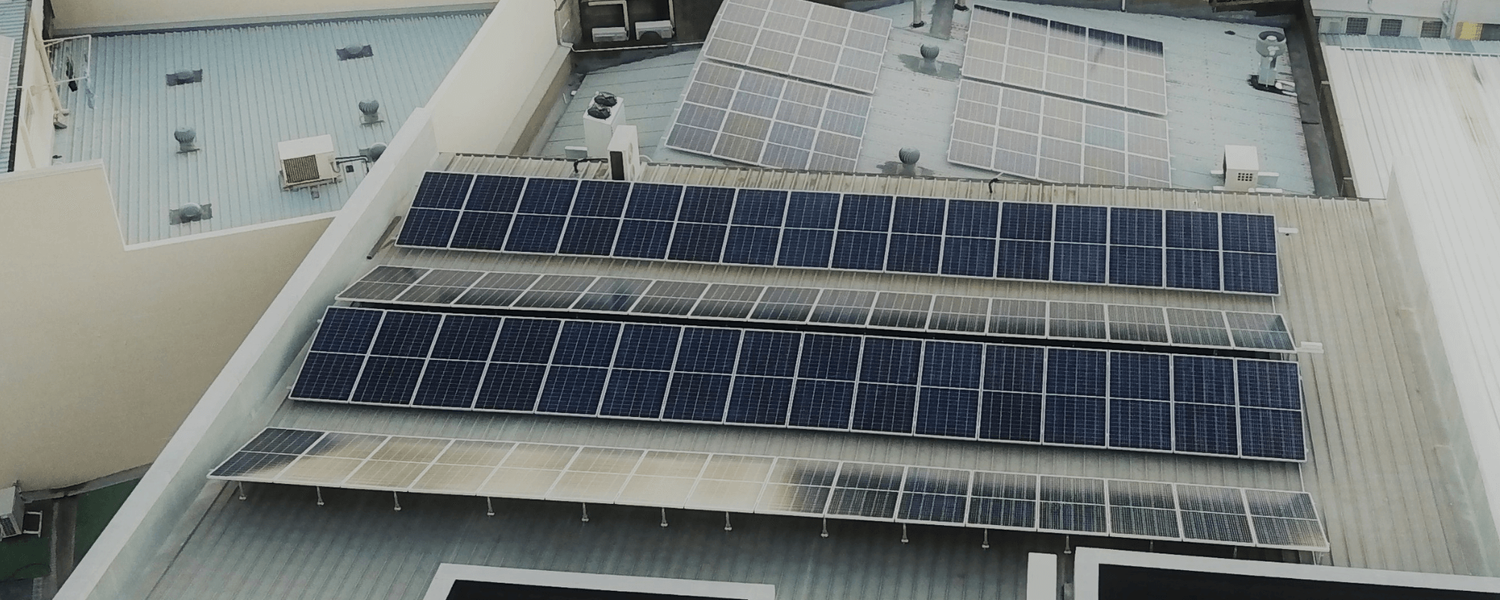
Photo by Raze Solar on Unsplash
Photo by Raze Solar on Unsplash
Optimise Panel Orientation and Placement
If your solar panels were originally installed with a focus on summer sun angles, you might not be getting the most out of them in winter. Optimising the orientation and placement of your panels for winter sunlight can make a significant difference. Panels that face south (in the Northern Hemisphere) or north (in the Southern Hemisphere) will receive the most sunlight during the winter months. If possible, adjust the orientation of your panels to maximise exposure to the winter sun.
Leverage Smart Technology for Energy Management
Smart home technology can help you manage and optimise your energy use more effectively. Smart thermostats, for example, can learn your heating preferences and adjust automatically to minimise energy use. Similarly, smart meters can help you track energy production and consumption in real time, allowing you to make informed decisions about when to use or conserve energy. By leveraging smart technology, you can ensure that your solar power system is being used as efficiently as possible during the winter months.
Perform Regular Maintenance Checks
Winter can be harsh on your solar system, so it’s important to perform regular maintenance checks to ensure everything is functioning properly. Inspect your panels for any signs of damage, such as cracks or loose connections, and make sure all wiring is secure. Regular maintenance not only helps to maintain efficiency but also prolongs the lifespan of your system, ensuring that it continues to perform well throughout the winter and beyond.
Take Advantage of Net Metering
If your area offers net metering, take advantage of this system to maximise your savings. Net metering allows you to feed excess electricity generated by your solar panels back into the grid in exchange for credits on your utility bill. During the winter months, when your solar production may be lower, you can use these credits to offset the cost of any additional electricity you need to purchase from the grid.
Conclusion
Maximising solar power during the winter months requires a combination of strategic
adjustments, regular maintenance, and smart energy management. By adjusting the tilt angle of your panels, keeping them clean, monitoring your energy consumption, and considering investments in battery storage or additional panels, you can optimise your solar system’s performance even during the colder, darker days of winter. With these tips in mind, you can continue to harness the power of the sun and enjoy the benefits of renewable energy all year round.
CONTACT US
Interested in a career at Gardel Electrical & Solar? Contact our team
Complete the form and our team will contact you within 12 business hours (Monday-Friday, 7AM – 4PM AEST).
Unit 1 / 22 Varley Street
Yeerongpilly, QLD 4105

